
Outdoor Metal Furniture Buying Guide: Weatherproofing for Patios & Balconies
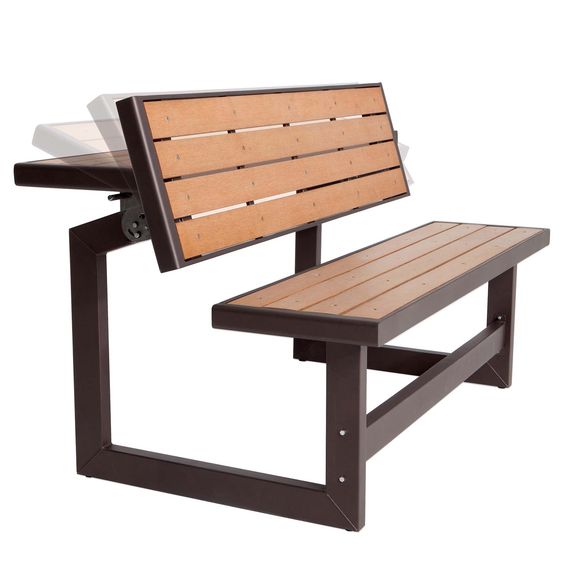
Whether you are outfitting a high-rise condominium balcony, a private patio garden, or an open-air cafe terrace, selecting the right metal furniture requires a careful balance between sleek architectural aesthetics and harsh environmental resilience.
In humid and coastal tropical environments, ordinary indoor steel furniture can succumb to rust streaks and blistering within months. In this guide, our metal fabrication specialists break down the best metal alloys, protective coating treatments, drainage details, and maintenance tips to ensure your outdoor metal pieces last decades without losing their luster.
Table of Contents
- 1. Comparing Outdoor Metals: Stainless Steel, Aluminum & Mild Steel
- 2. Critical Protective Coatings: Zinc Primers & Architectural Powder Coating
- 3. Design Details That Prevent Water Pooling & Hidden Rust
- 4. Pairing Metal Frames with Outdoor Fabrics & Teak Accents
- 5. 5-Minute Routine Maintenance for Outdoor Metal Furniture
- 6. Custom Outdoor Furniture Fabrication in Singapore
1. Comparing Outdoor Metals: Stainless Steel, Aluminum & Mild Steel
Not all metals behave the same when exposed to torrential rain, high humidity, and relentless UV sun exposure. Here is how the three most popular furniture metals compare:
| Metal Type | Corrosion Resistance | Weight & Wind Stability | Best Use Case |
|---|---|---|---|
| Grade 304 / 316 Stainless Steel | Exceptional (Immune to rain; 316 recommended near coastline) | Heavy & solid; will not tip over in strong high-rise balcony gusts. | Outdoor dining tables, architectural balustrades, luxury patio loungers. |
| Extruded Aluminum | Naturally rust-proof (forms protective oxide barrier) | Lightweight; easy to reposition, but needs securing against high winds. | Cafe seating, stackable balcony chairs, poolside deck chairs. |
| Hot-Dip Galvanized Mild Steel | Very High (when sealed with zinc phosphate & polyester powder coat) | Heavy-duty structural strength at a competitive cost point. | Pergola frames, large commercial planters, heavy bench seating. |
2. Critical Protective Coatings: Zinc Primers & Architectural Powder Coating
The secret to outdoor steel longevity lies in the multi-stage surface preparation:
- Grit Blasting & Chemical Degreasing: Removes all mill scale and microscopic contaminants, creating an anchor profile for paint adhesion.
- Zinc-Rich Epoxy Primer: Acts as a sacrificial anode barrier. Even if the topcoat suffers a deep scratch, the zinc prevents rust creep from spreading underneath.
- Architectural TGIC Polyester Powder Coating: Cured at 200°C to create an ultra-durable, UV-stable shell resistant to fading, cracking, and chalking under blazing sun.
3. Design Details That Prevent Water Pooling & Hidden Rust
When commissioning bespoke outdoor furniture, pay attention to structural engineering features that prevent moisture traps:
- Weep Holes / Drainage Outlets: Hollow tubular metal legs and frames must have discreet CNC-drilled weep holes at the lowest point to allow internal condensation to escape.
- Fully Sealed Continuous Welds: Spot or tack welds leave micro-gaps where standing water penetrates and corrodes from the inside out. All outdoor joints should be fully TIG/MIG sealed.
- Slatted Seat & Table Tops: Slats allow rain to run off instantly rather than creating standing puddles on flat plate surfaces.
4. Pairing Metal Frames with Outdoor Fabrics & Teak Accents
Matte black or warm brass-toned metal frames look stunning when paired with natural materials:
- Grade-A Burmese Teak or Accoya Wood: Incorporate natural timber slats on chair armrests and tabletops to prevent bare skin from touching sun-heated metal.
- Solution-Dyed Acrylic Fabrics (Sunbrella / Agora): Water-repellent and mildew-resistant cushions with quick-dry reticulated foam.
5. 5-Minute Routine Maintenance for Outdoor Metal Furniture
Keeping outdoor metal furniture looking showroom-fresh is surprisingly simple:
- Rinse Monthly: Wash away airborne salt particles and soot using warm water and mild dish soap.
- Avoid Abrasive Cleaners: Never use steel wool or harsh bleach, which can score powder-coated protective layers.
- Touch-Up Accidental Scratches: Keep a matching matte spray paint or clear metal lacquer pen handy to seal any deep gouges immediately.